Antoine Depoortere
Independent developer & AI consultantHealthcare specialty
About me
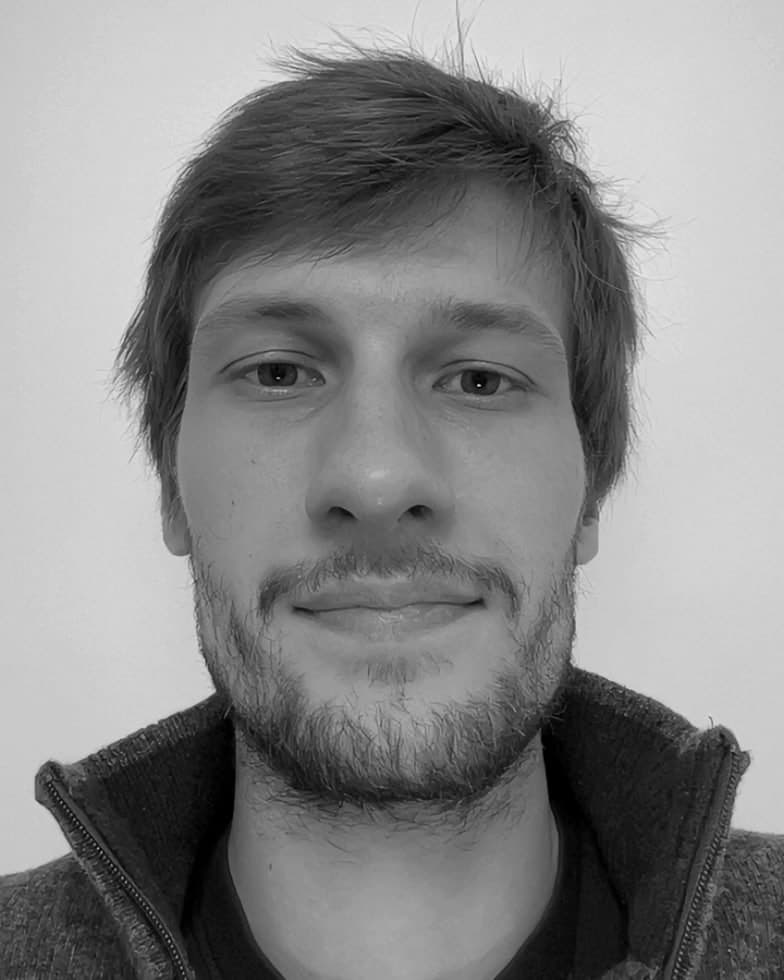
I am an independent developer and AI consultant based in Paris. I trained for five years at Epitech Digital School, a computer science school, where I earned a Master of Science in Health, AI and IoT: web and mobile development, data, artificial intelligence and connected devices.
I also have a scientific and healthcare background (a first year of health studies, a degree in chemistry) and two years as a digital project manager at a healthcare communications agency.
Since September 2025, I have been designing and building websites, SaaS platforms, mobile apps and process automations, using AI where it helps. My main project, Dr Raphus, is a digital sleep clinic that I designed and keep developing in collaboration with healthcare professionals.
In brief
- Based in
- Paris, France
- Independent since
- Sep 2025 · Developer & AI consultant
- Education
- Master of Science Health, AI and IoT · Epitech Digital School · 2020 – 2025
- Healthcare agency
- Digital project manager · Sep 2023 – Sep 2025
- Main project
- Dr Raphus · Web platform and app · 2025 – Present
- Languages
- French · English C2 · Spanish B1
Projects and experience
Projects
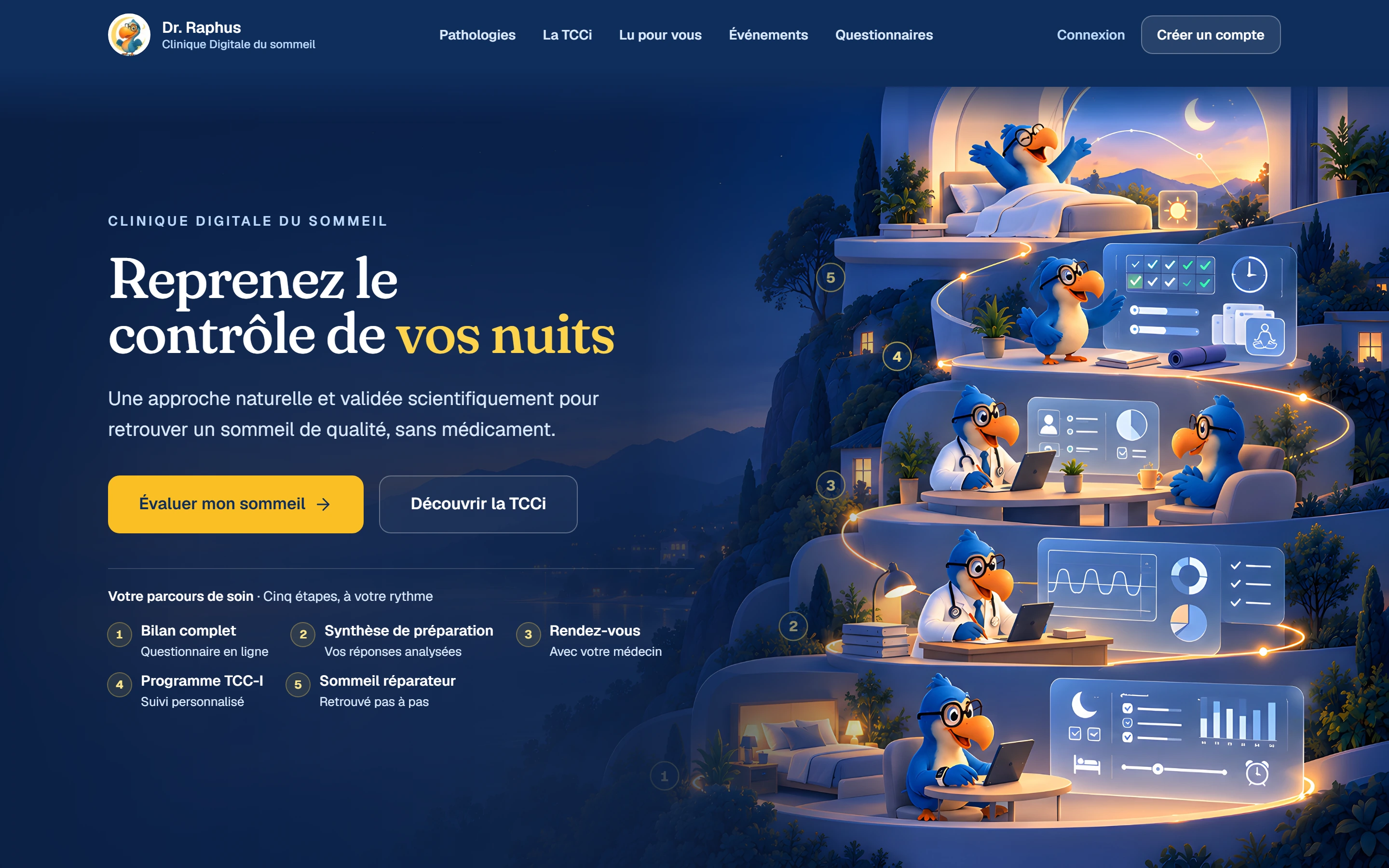
Dr Raphus
A digital sleep clinic that I have been designing and building since 2025.
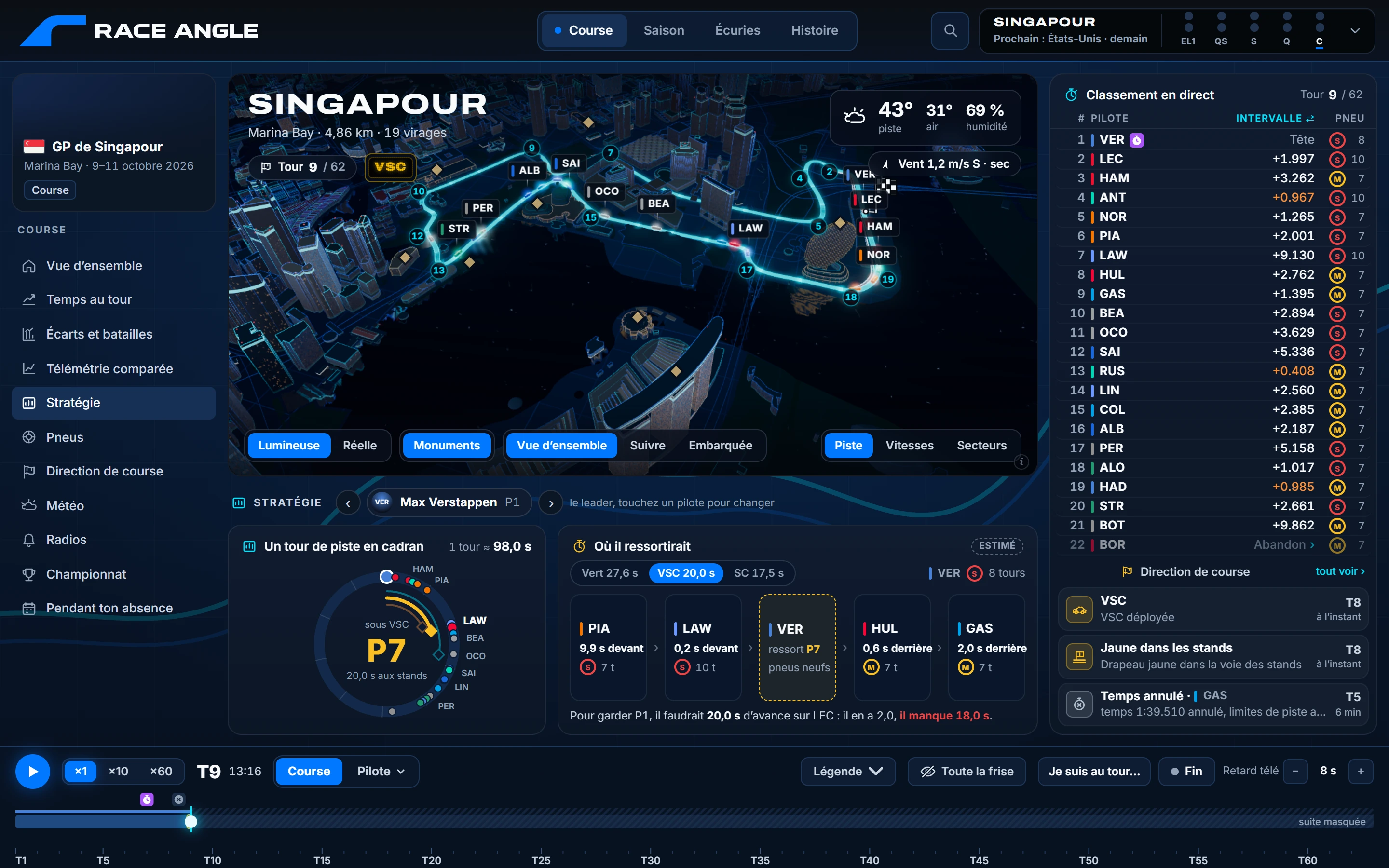
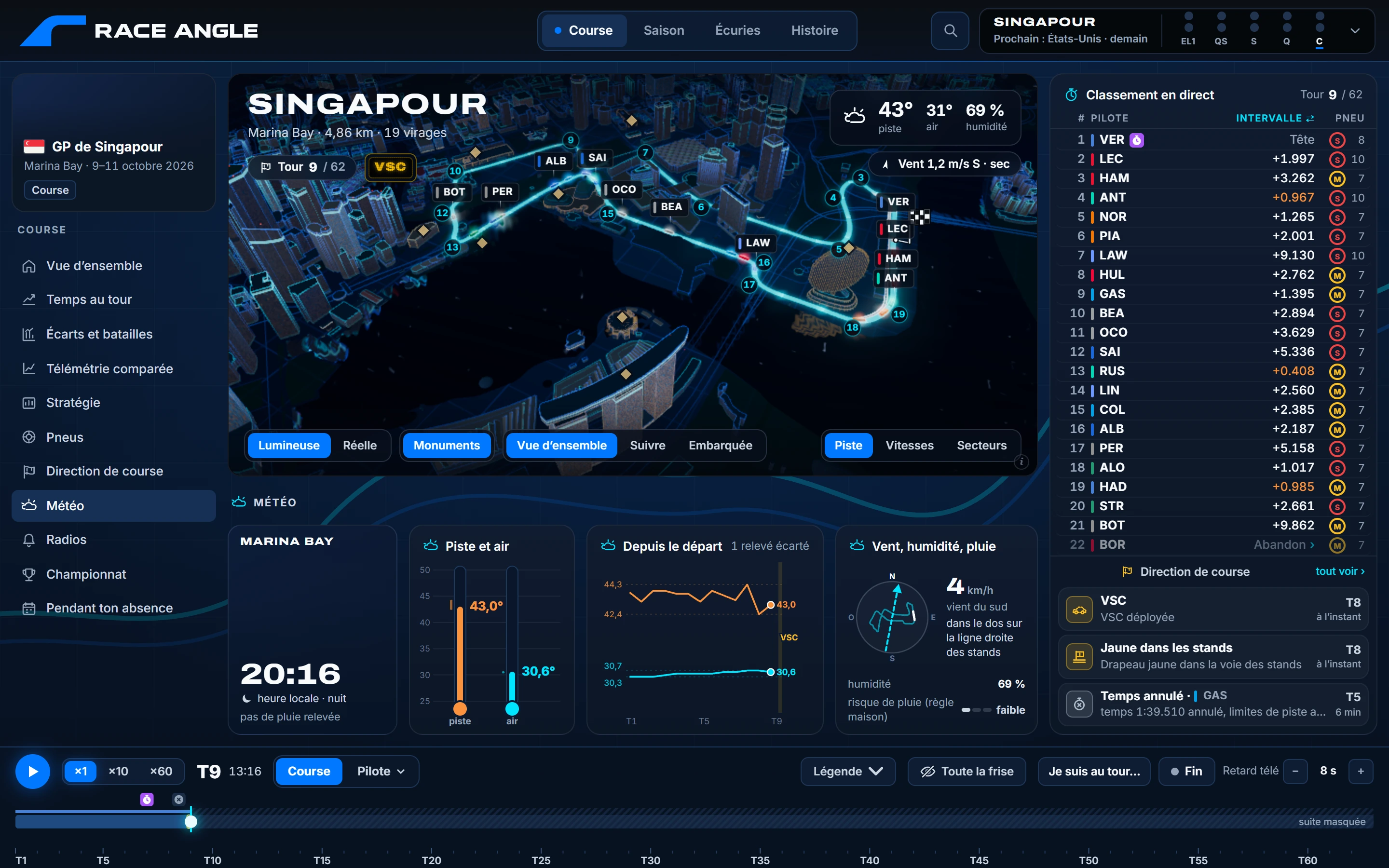
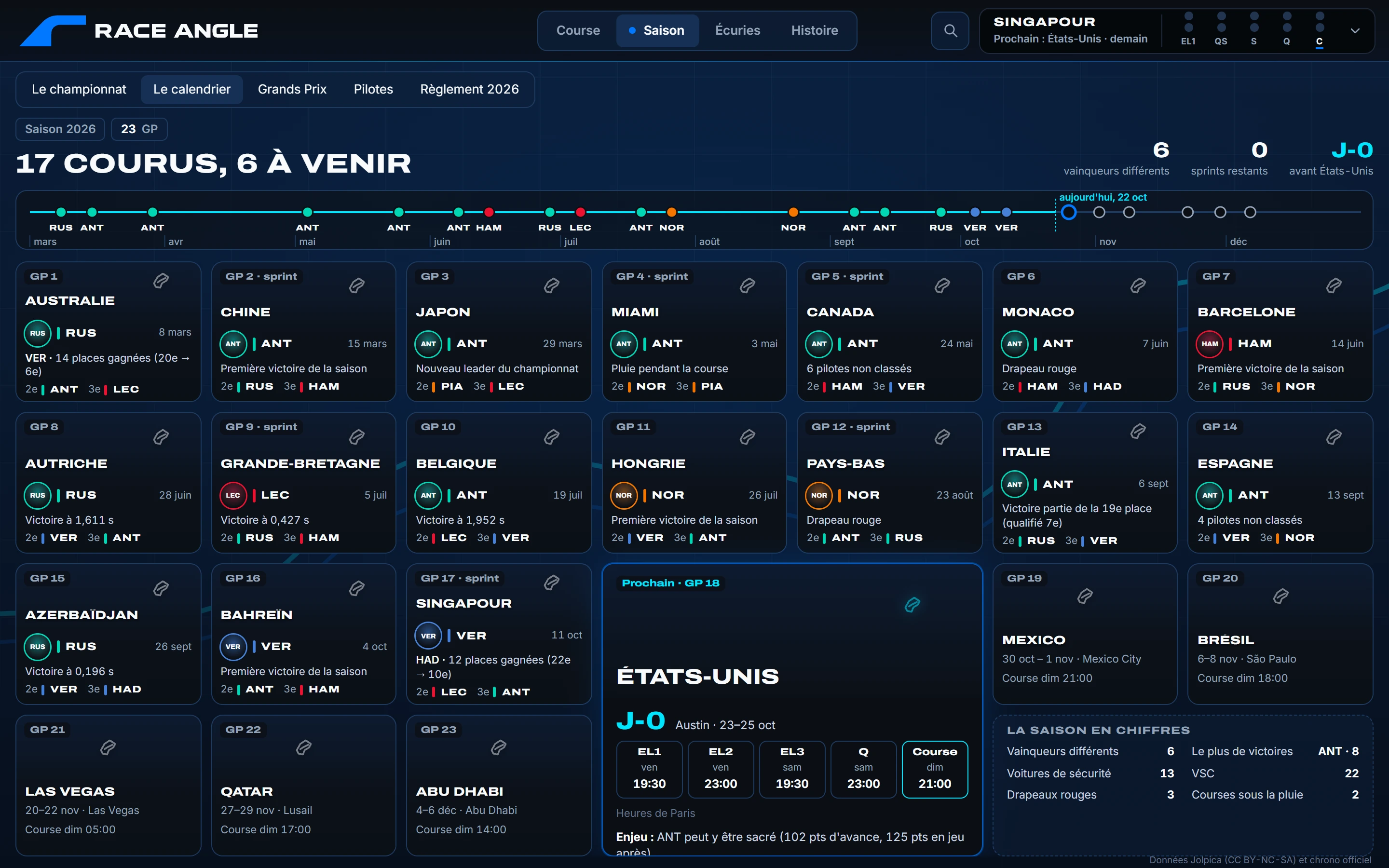
Race Angle
A fan app, unaffiliated with Formula 1, to open as a second screen during Grands Prix.
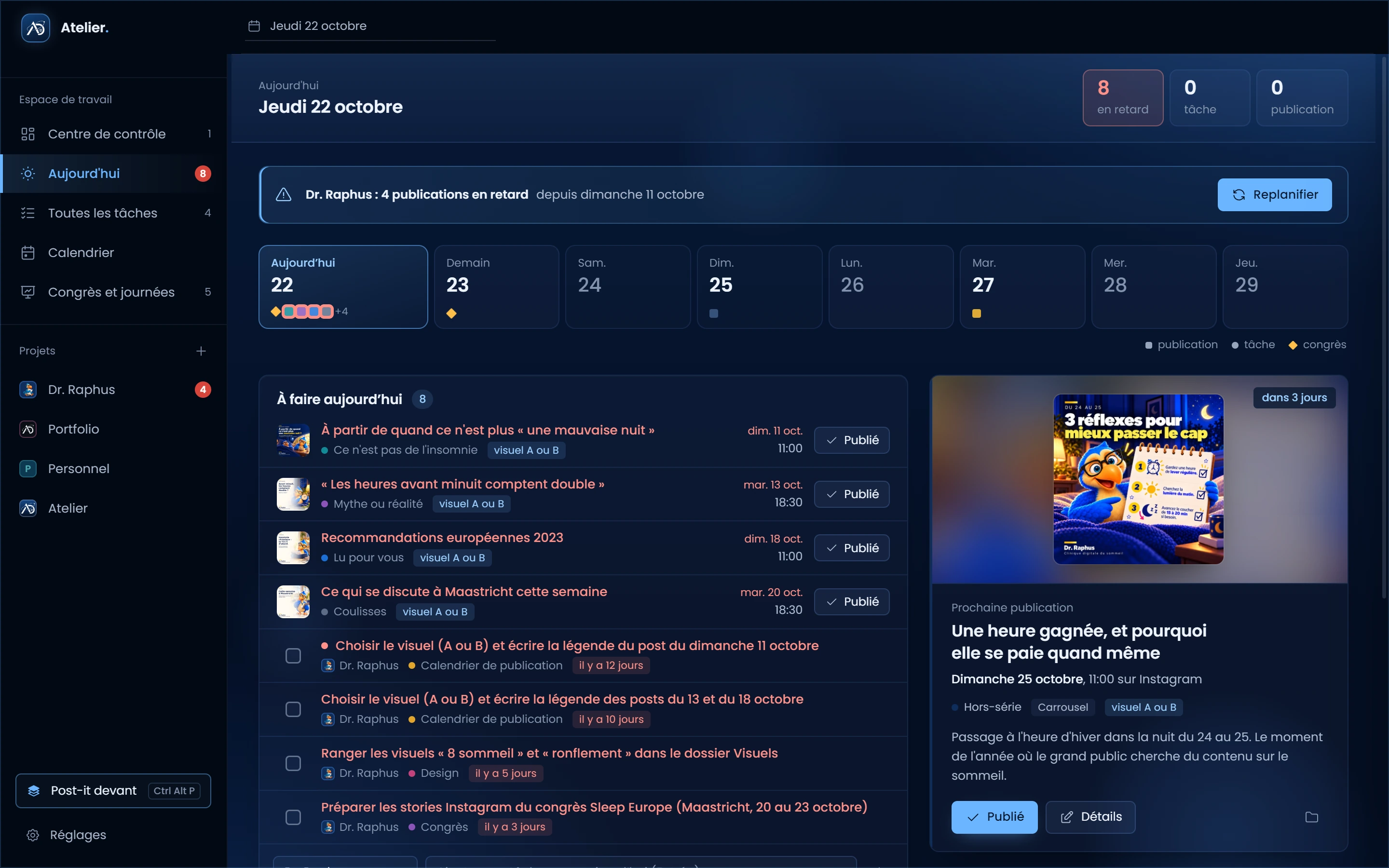
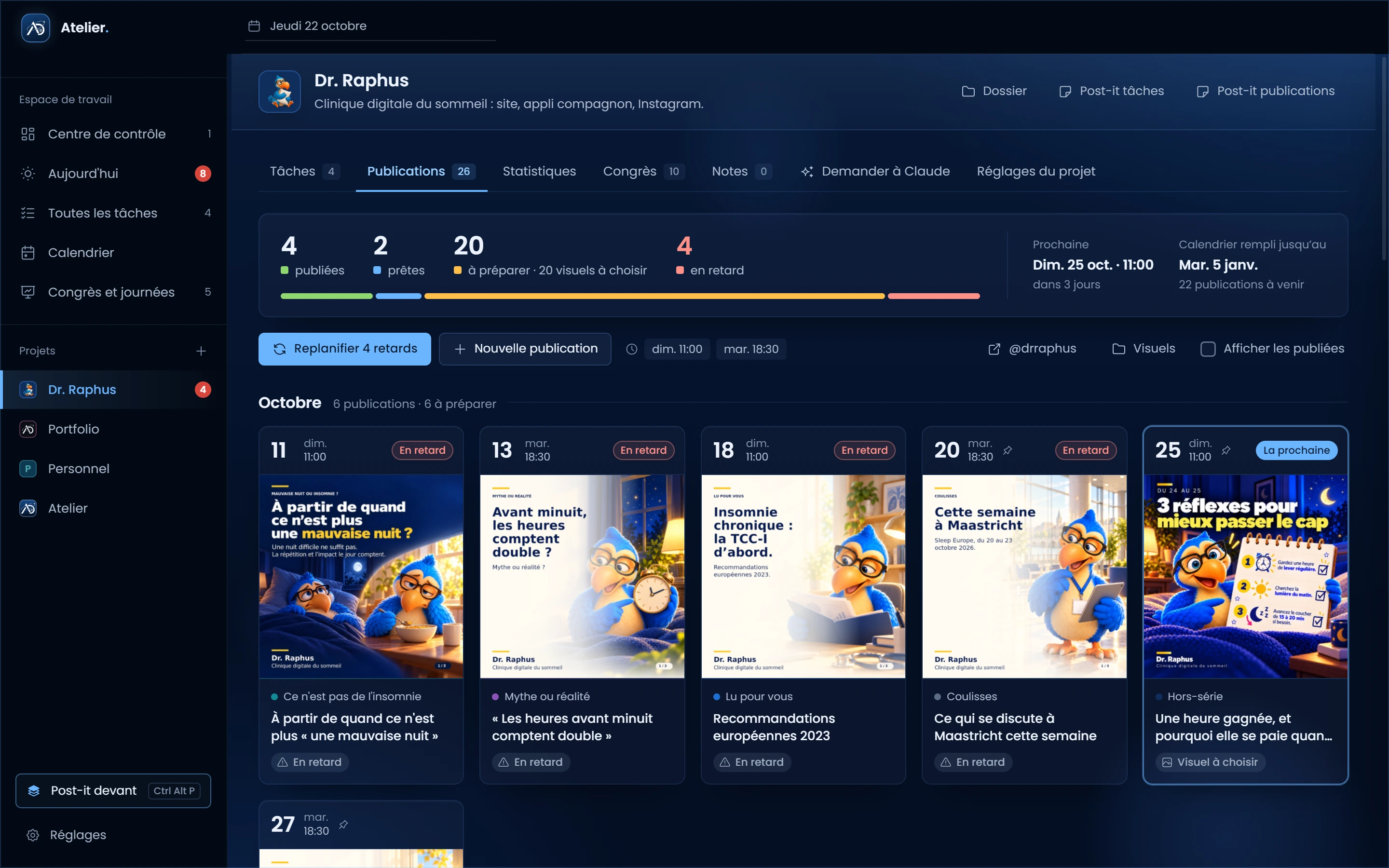
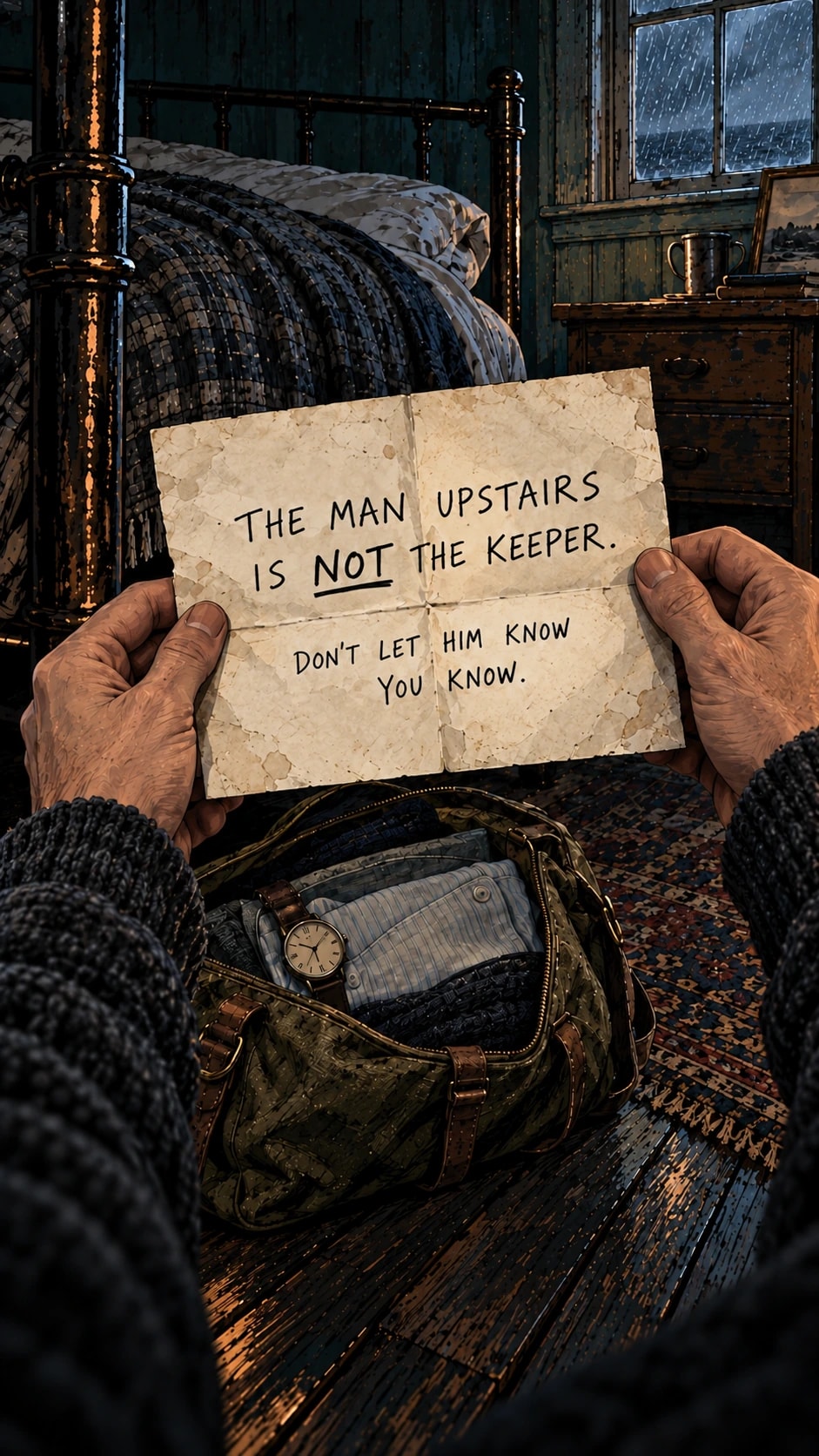

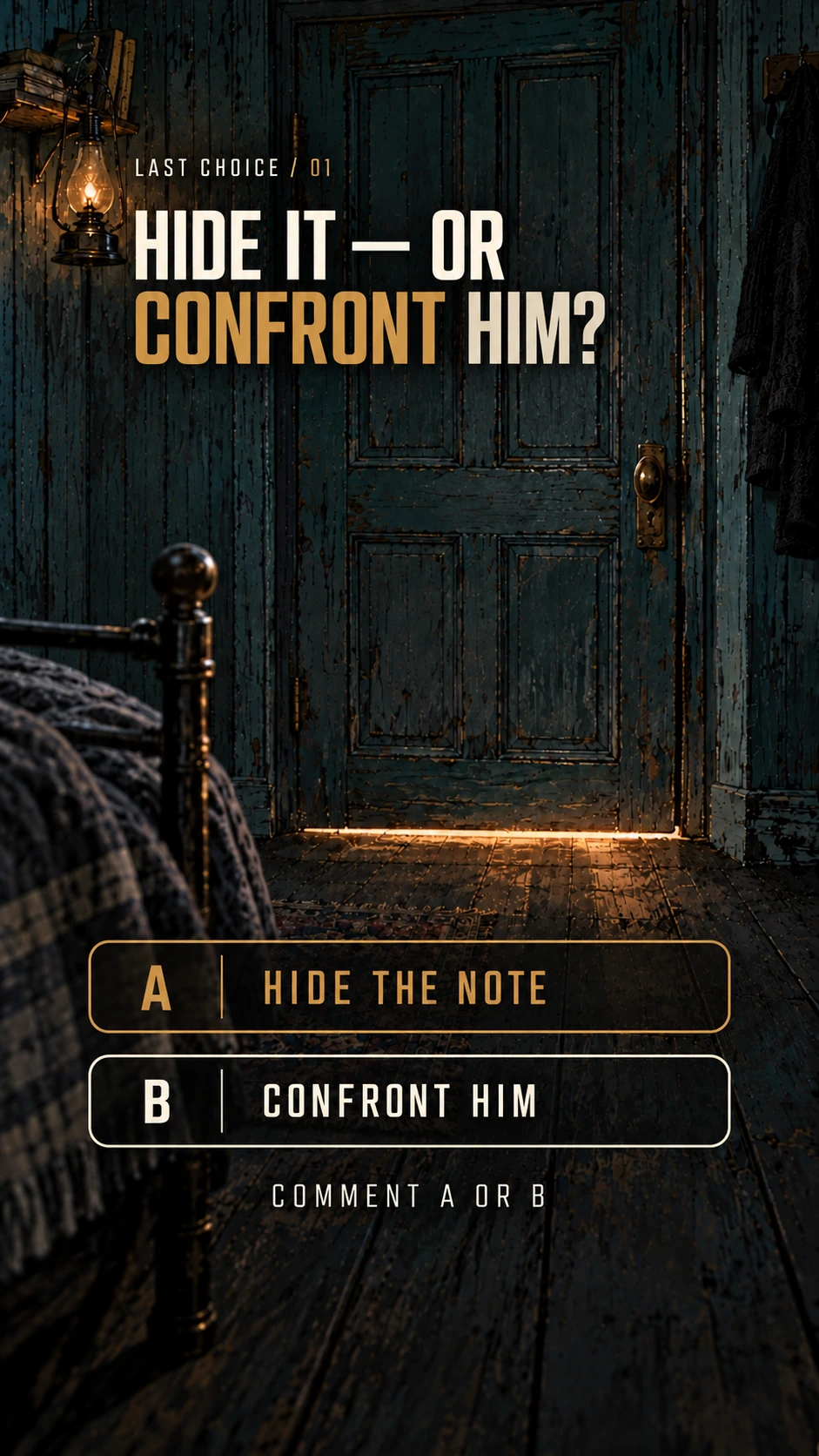

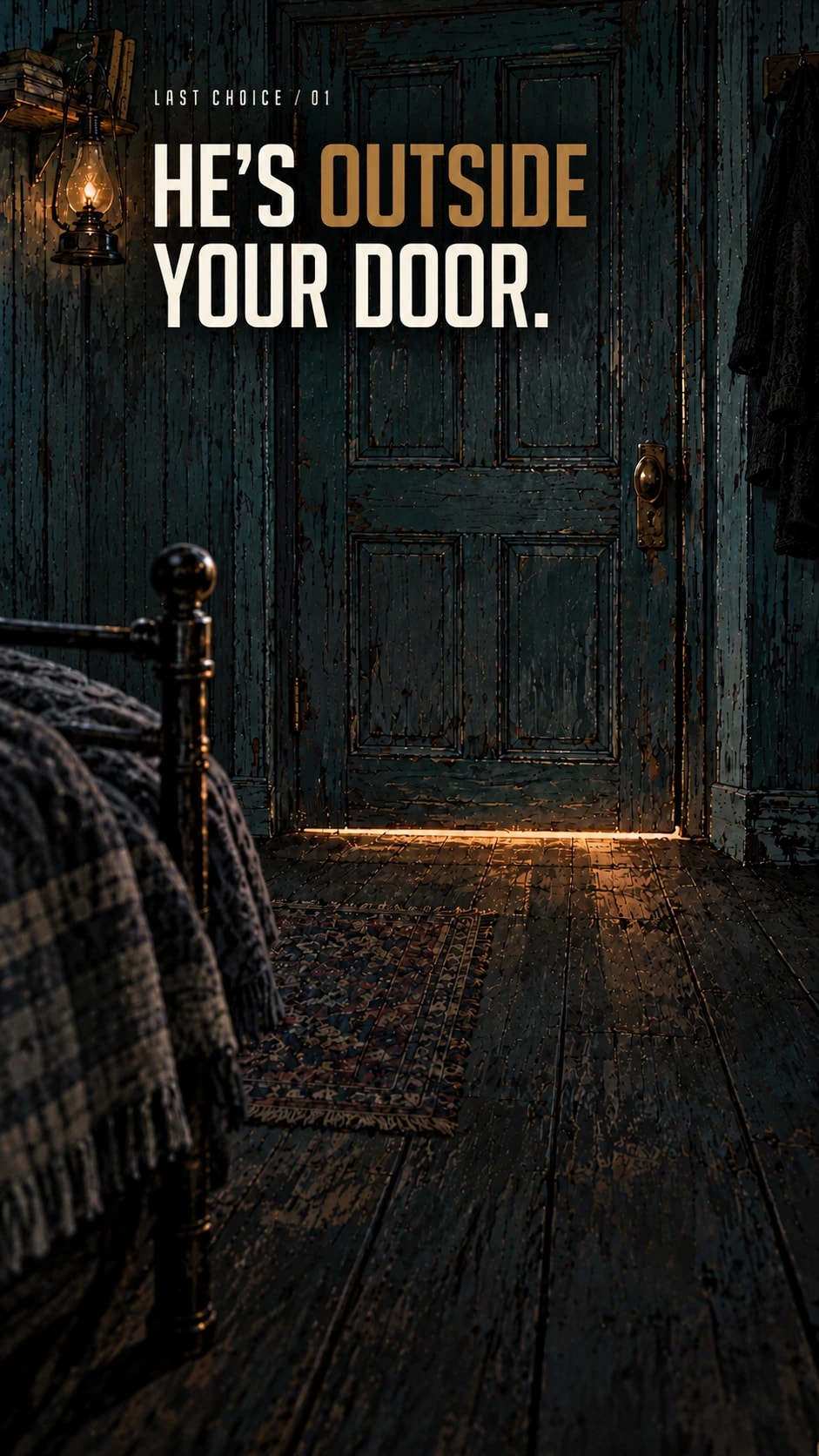
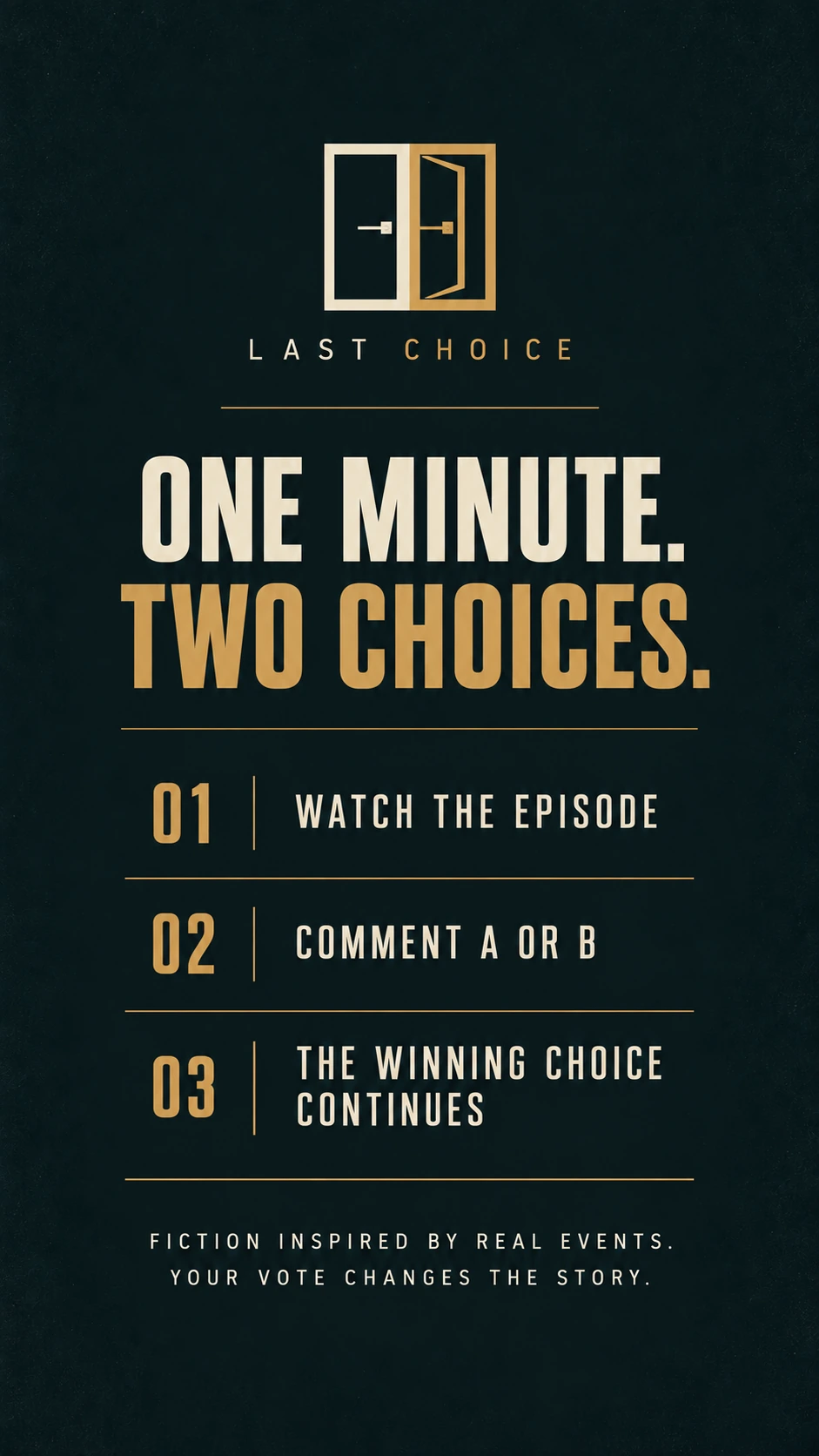
Last Choice
An interactive fiction Instagram account, in preparation: one-minute thrillers where the audience votes for what happens next.
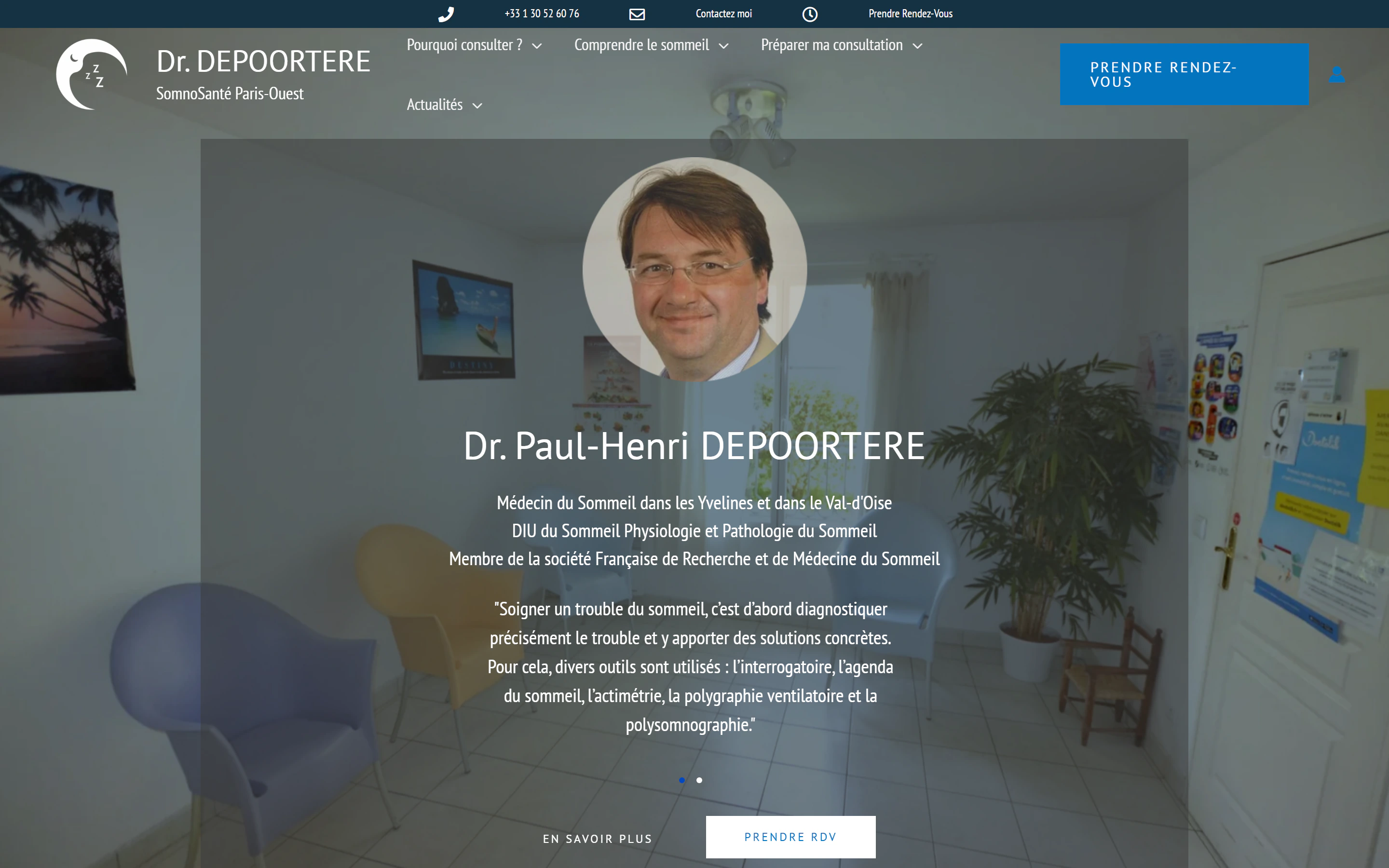
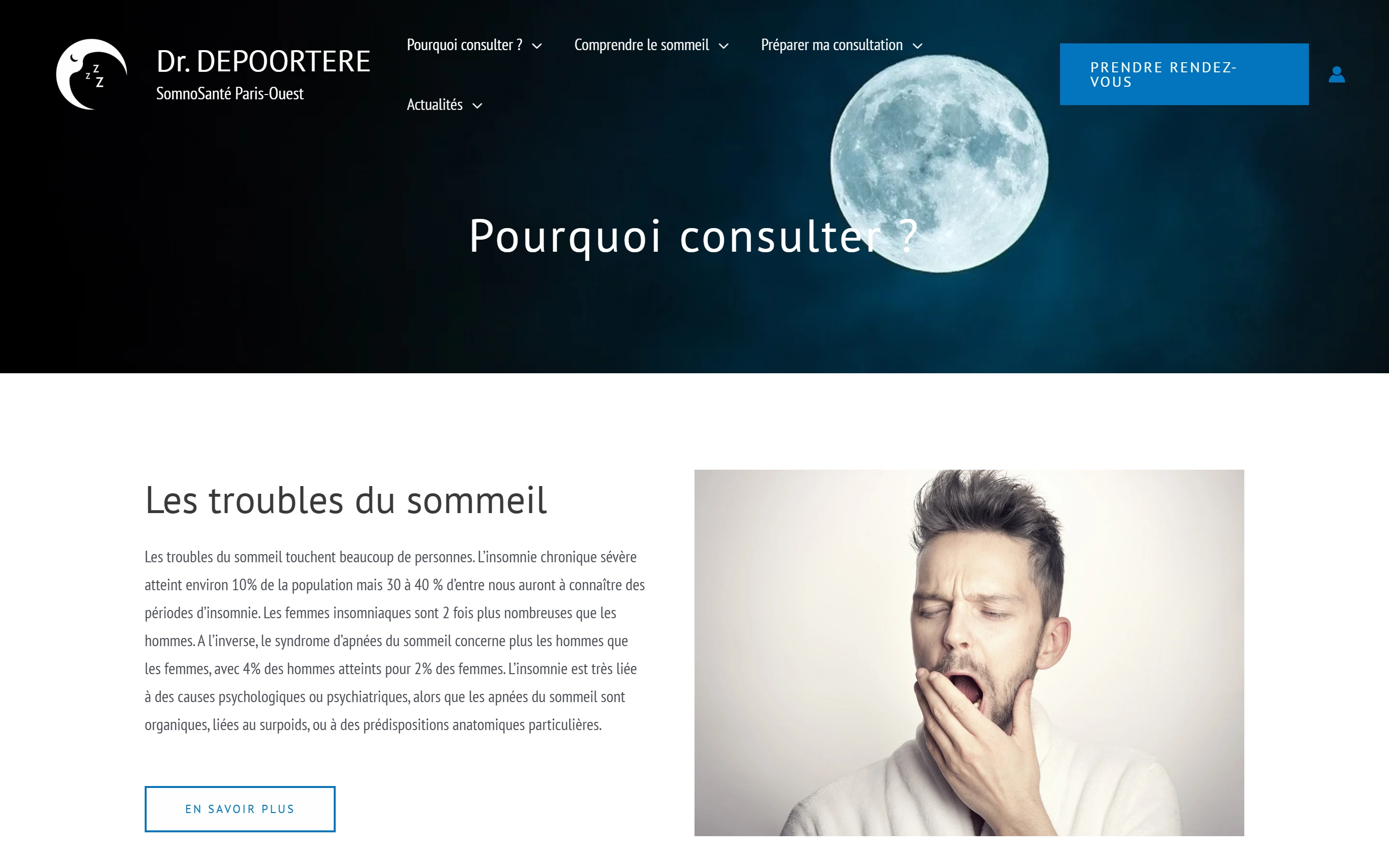
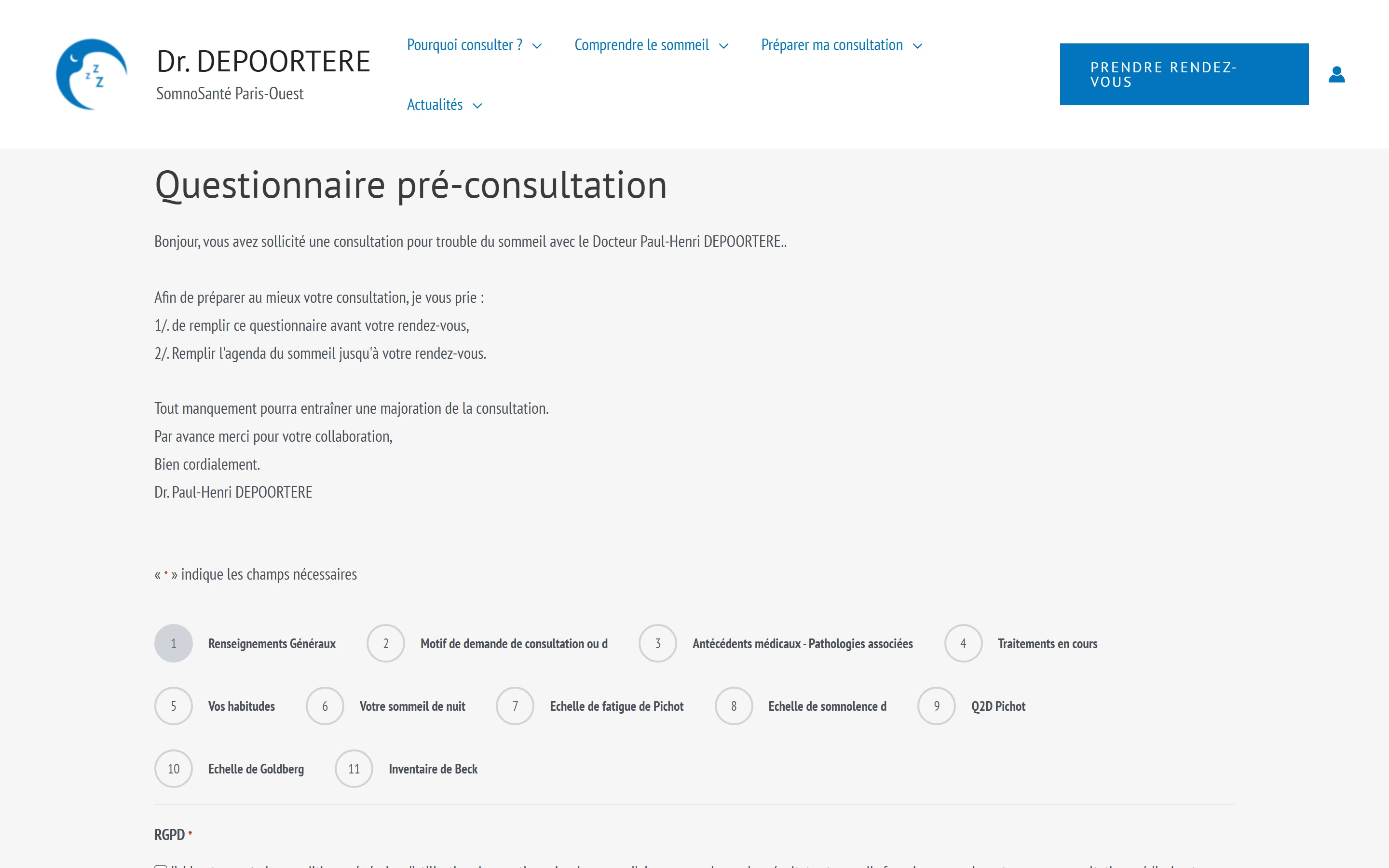
dr-depoortere.fr
The website of the Somnosanté sleep medicine practice: I built it on WordPress in 2022, have maintained it since, and its redesign is under way.
The question
How can healthcare communication support the integration of AI into personalised cancer diagnosis?

Thesis: getting clinicians to adopt AI
My master’s thesis, defended in 2025: how healthcare communication can help clinicians adopt AI in cancer diagnosis.
Experience
– Present
Developer & AI consultant
Freelance
Independent design and development of websites, web platforms, mobile apps and AI tools.
- Next.js
- TypeScript
- Supabase
- Generative AI
- AI agents
- Design and development of Dr Raphus, a digital sleep clinic: website, mobile app, conversational assistant and AI watch agent.
- Personal project: Race Angle, a fan app for following Grands Prix (unaffiliated with Formula 1), with the live circuit, my own data pipeline, an installable version and a desktop app.
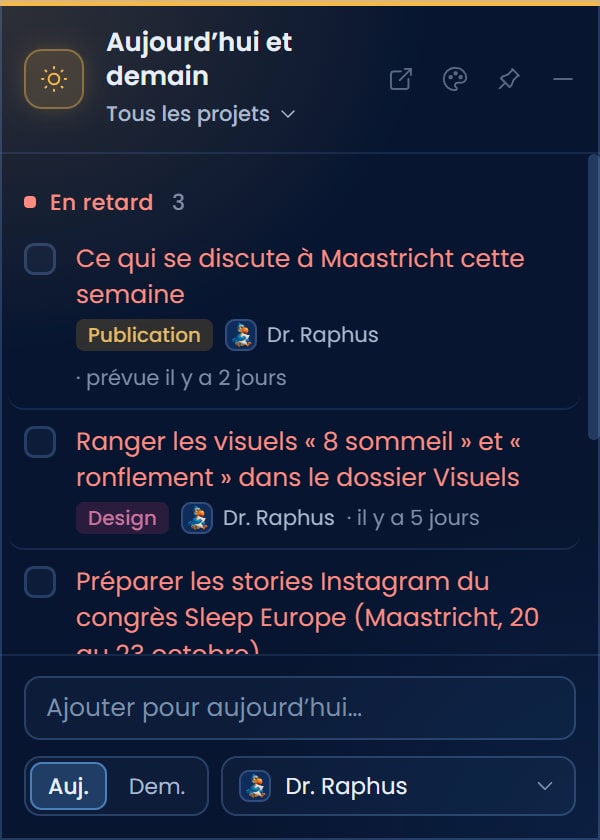
- Personal project: Atelier, the desktop and iPhone task manager for all my projects, which receives its tasks from GitHub and posts on schedule.
–
Asnières-sur-Seine
Digital project manager
Agence Sparadrap
Healthcare communications agency specialising in oncology.
- Project management
- Healthcare communication
- WordPress
- SEO
- HTML / CSS / JavaScript
- Wix
- Managed digital and healthcare communication projects for clients such as Pfizer, Roche, Pierre Fabre and Incyte.
- Built, maintained and optimised (SEO) websites, landing pages and event platforms.
- Wrote and adapted materials for patients and healthcare professionals: patient booklets, brochures, infographics, digital content.
–
Saint-Rémy-lès-Chevreuse
Web developer
Somnosanté
Sleep medicine practice.
- WordPress
- Databases
- Developed and maintained the practice website on WordPress.
- Managed and updated a database of more than 100 patients, with close attention to data accuracy.
- Updated content, improved the user experience and supported the practice’s digital needs.
Technologies
Languages
- TypeScript · Dr Raphus, the Dr Raphus Compagnon app, this portfolio, Race Angle, Last Choice
- JavaScript · Dr Raphus, this portfolio, Atelier
- Python · Last Choice, my CVs (outside the projects shown here)
- PHP · my CVs (outside the projects shown here)
Frameworks, libraries and CMS
- Next.js · Dr Raphus, this portfolio
- React · Dr Raphus, the Dr Raphus Compagnon app, this portfolio, Race Angle, Last Choice
- Expo (React Native) · the Dr Raphus Compagnon app, Atelier
- Electron · Atelier, Race Angle
- Three.js · Race Angle
- Vue.js · my CVs (outside the projects shown here)
- Laravel · my CVs (outside the projects shown here)
- Tailwind CSS · Dr Raphus, this portfolio
- WordPress · dr-depoortere.fr
Databases and services
- Supabase · Dr Raphus, the Dr Raphus Compagnon app, Atelier
- MySQL · my CVs (outside the projects shown here)
- MongoDB · my CVs (outside the projects shown here)
- Stripe · Dr Raphus
Tools, runtime and hosting
- Node.js · Dr Raphus, this portfolio, Race Angle, Atelier
- Vite · Race Angle
- Git · Dr Raphus, this portfolio, Race Angle, Atelier
- GitHub · Dr Raphus, this portfolio, Race Angle, Atelier
- Vercel · Dr Raphus, this portfolio
What would you like to build?
Pick a type of project: my process step by step, what you decide at each step, and a project I have actually built. It is a typical process, not an assignment already carried out for a client.
See also: A website · A SaaS · An app · Automate a process
A website
My approach for your website
Scope
01 First conversationYou describe your project; I ask the questions that are missing.You decide: whether we take it further together
- What you do
- You describe your project in a few lines, by email or on LinkedIn, with the tools you use today.
- What you receive
- A written summary of what I understood, for you to correct before we go on.
02 Scoping and written proposalWho needs to find what on the site, and what you expect from each visit.You decide: the structure and the content
- What you do
- You share your documents and constraints and, where possible, introduce me to the people who will use the tool.
- What you receive
- A written proposal: what the first version will do, what it will not do, and the steps to get there.
Build
03 Mock-up for your approvalYou see the main screens before development starts.You decide: the option to keep, and what changes before building
- What you do
- You open the mock-up in your browser, show it to your colleagues and comment on it.
- What you receive
- An approved mock-up that serves as the reference for what follows.
04 Development in short stepsFast, accessible pages, on a tool you will be able to handle yourself.You decide: every page, before it goes live
- What you do
- You try each release and tell me what is not right.
- What you receive
- At every step, a working version and a description of what changed.
05 Testing and launchChecked on phone, tablet and computer, then put live.You decide: when it goes live
- What you do
- You give the content a final read and try the journeys that matter.
- What you receive
- The tool live, with the list of what was checked.
Get it adopted
06 Handover and follow-upI show you how to update it, then look after the technical side.You decide: what gets published
- What you do
- Your teams use it and tell you what gets in the way.
- What you receive
- Documentation: how to use the tool, how it is built, what was decided and why.
Already built
dr‑depoortere.fr
The website of the Somnosanté sleep medicine practice: built on WordPress in 2022, maintained since, currently being redesigned.
WordPress · since 2022
A SaaS
My approach for your SaaS
Scope
01 First conversationYou describe your project; I ask the questions that are missing.You decide: whether we take it further together
- What you do
- You describe your project in a few lines, by email or on LinkedIn, with the tools you use today.
- What you receive
- A written summary of what I understood, for you to correct before we go on.
02 Scoping and written proposalThe users, their accounts and permissions, what is paid for, and the data to protect.You decide: the scope of the first version
- What you do
- You share your documents and constraints and, where possible, introduce me to the people who will use the tool.
- What you receive
- A written proposal: what the first version will do, what it will not do, and the steps to get there.
Build
03 Mock-up for your approvalYou see the main screens before development starts.You decide: the option to keep, and what changes before building
- What you do
- You open the mock-up in your browser, show it to your colleagues and comment on it.
- What you receive
- An approved mock-up that serves as the reference for what follows.
04 Development in short stepsA first usable version early on, then short releases, each one reviewed.You decide: every release, before it goes live
- What you do
- You try each release and tell me what is not right.
- What you receive
- At every step, a working version and a description of what changed.
05 Testing and launchChecked on phone, tablet and computer, then put live.You decide: when it goes live
- What you do
- You give the content a final read and try the journeys that matter.
- What you receive
- The tool live, with the list of what was checked.
Get it adopted
06 Handover and follow-upJourneys tried out by real users, screens that explain themselves.You decide: what comes next
- What you do
- Your teams use it and tell you what gets in the way.
- What you receive
- Documentation: how to use the tool, how it is built, what was decided and why.
Already built
Dr Raphus
The digital sleep clinic I design and build: patient and professional accounts, assessment questionnaires paid online, results, and a patient poster computed in their browser.
Next.js · Supabase · Stripe
An app
My approach for your app
Scope
01 First conversationYou describe your project; I ask the questions that are missing.You decide: whether we take it further together
- What you do
- You describe your project in a few lines, by email or on LinkedIn, with the tools you use today.
- What you receive
- A written summary of what I understood, for you to correct before we go on.
02 Scoping and written proposalThe task the app must make easy, and the moment it happens.You decide: what it does, and what it does not
- What you do
- You share your documents and constraints and, where possible, introduce me to the people who will use the tool.
- What you receive
- A written proposal: what the first version will do, what it will not do, and the steps to get there.
Build
03 Mock-up for your approvalYou see the main screens before development starts.You decide: the option to keep, and what changes before building
- What you do
- You open the mock-up in your browser, show it to your colleagues and comment on it.
- What you receive
- An approved mock-up that serves as the reference for what follows.
04 Development in short stepsAn iOS and Android app, connected to your existing accounts and data.You decide: every step, tried on your own phone
- What you do
- You try each release and tell me what is not right.
- What you receive
- At every step, a working version and a description of what changed.
05 Testing and launchChecked on phone, tablet and computer, then put live.You decide: when it is released
- What you do
- You give the content a final read and try the journeys that matter.
- What you receive
- The tool live, with the list of what was checked.
Get it adopted
06 Handover and follow-upReminders, first steps, screens tried with the people who will use it.You decide: what comes next
- What you do
- Your teams use it and tell you what gets in the way.
- What you receive
- Documentation: how to use the tool, how it is built, what was decided and why.
Already built
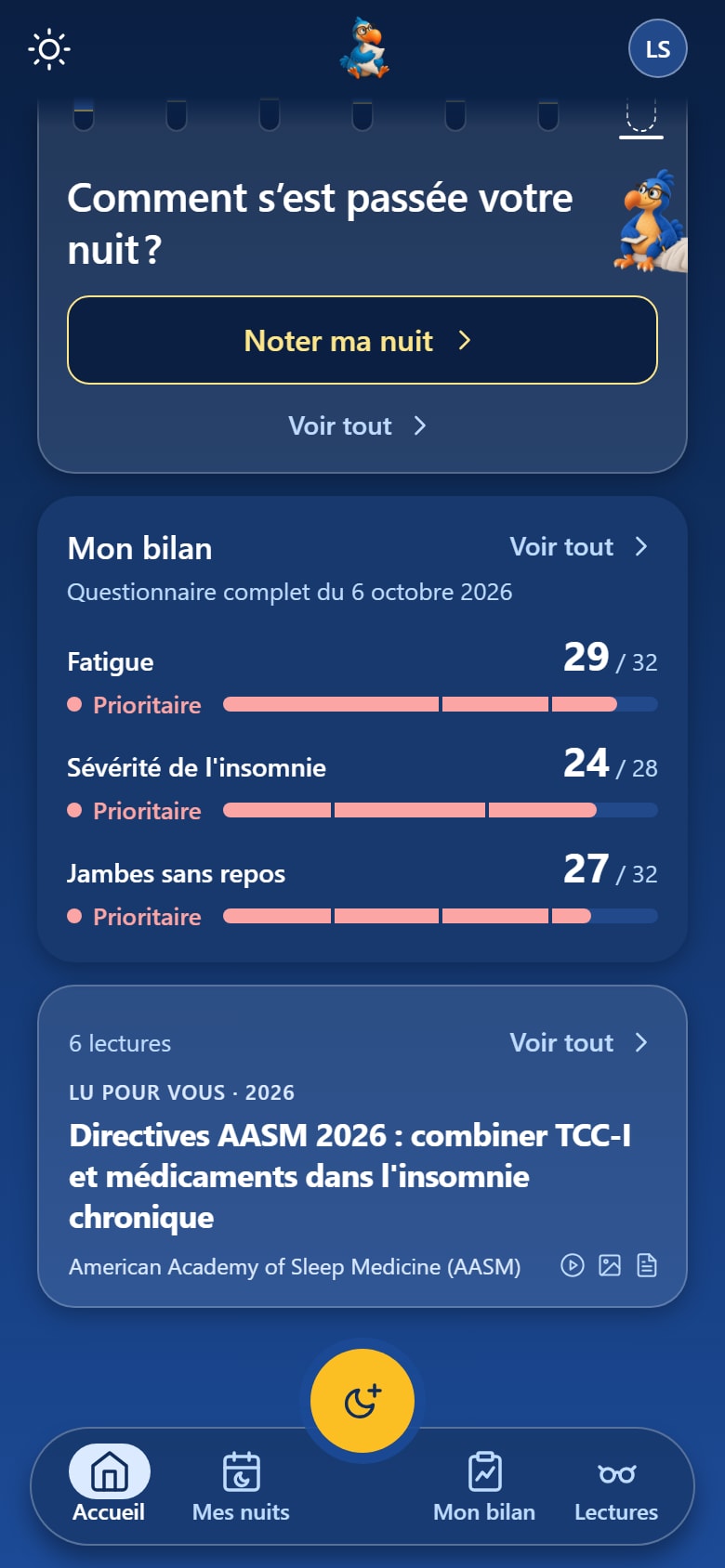
Dr Raphus Compagnon
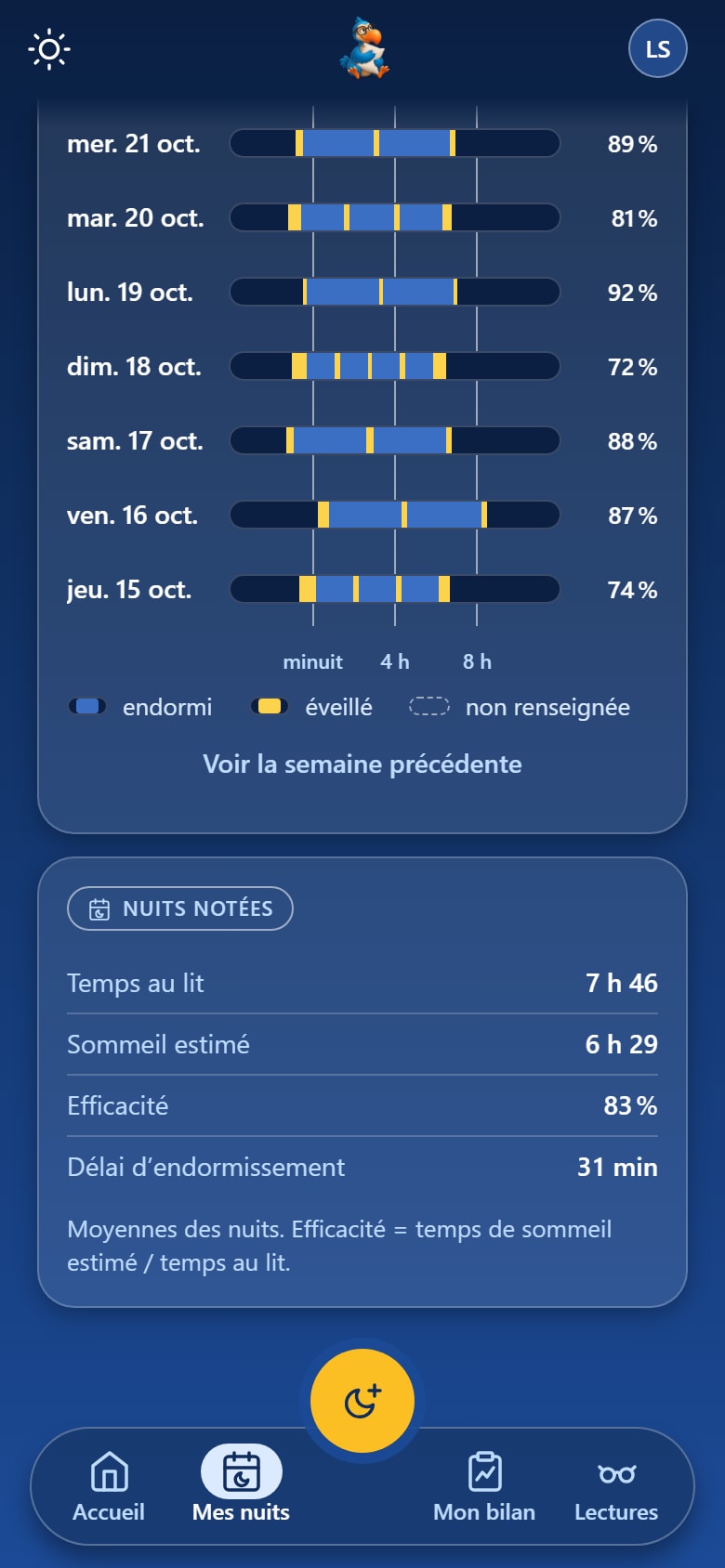
The Dr Raphus mobile app: log last night every morning, review the last fourteen nights, get two reminders a day, with the same accounts as the website. Built with Expo for iOS and Android.
Expo · React Native · fictional data
Automate a process
My approach for your process
Scope
01 First conversationYou describe your project; I ask the questions that are missing.You decide: whether we take it further together
- What you do
- You describe your project in a few lines, by email or on LinkedIn, with the tools you use today.
- What you receive
- A written summary of what I understood, for you to correct before we go on.
02 Scoping and written proposalThe repetitive task, who does it today, and where a mistake is costly.You decide: what stays in human hands
- What you do
- You share your documents and constraints and, where possible, introduce me to the people who will use the tool.
- What you receive
- A written proposal: what the first version will do, what it will not do, and the steps to get there.
Build
03 Mock-up for your approvalYou see the main screens before development starts.You decide: the option to keep, and what changes before building
- What you do
- You open the mock-up in your browser, show it to your colleagues and comment on it.
- What you receive
- An approved mock-up that serves as the reference for what follows.
04 Development in short stepsA workflow that connects your tools; an AI agent only if it adds something: it prepares, it does not publish.You decide: every proposal, before it goes out
- What you do
- You try each release and tell me what is not right.
- What you receive
- At every step, a working version and a description of what changed.
05 Testing and launchChecked on phone, tablet and computer, then put live.You decide: when it goes live
- What you do
- You give the content a final read and try the journeys that matter.
- What you receive
- The tool live, with the list of what was checked.
Get it adopted
06 Handover and follow-upI explain the tool, its benefits and its limits, to the people who use it.You decide: the settings, at any time
- What you do
- Your teams use it and tell you what gets in the way.
- What you receive
- Documentation: how to use the tool, how it is built, what was decided and why.
Already built
The Dr Raphus event watch
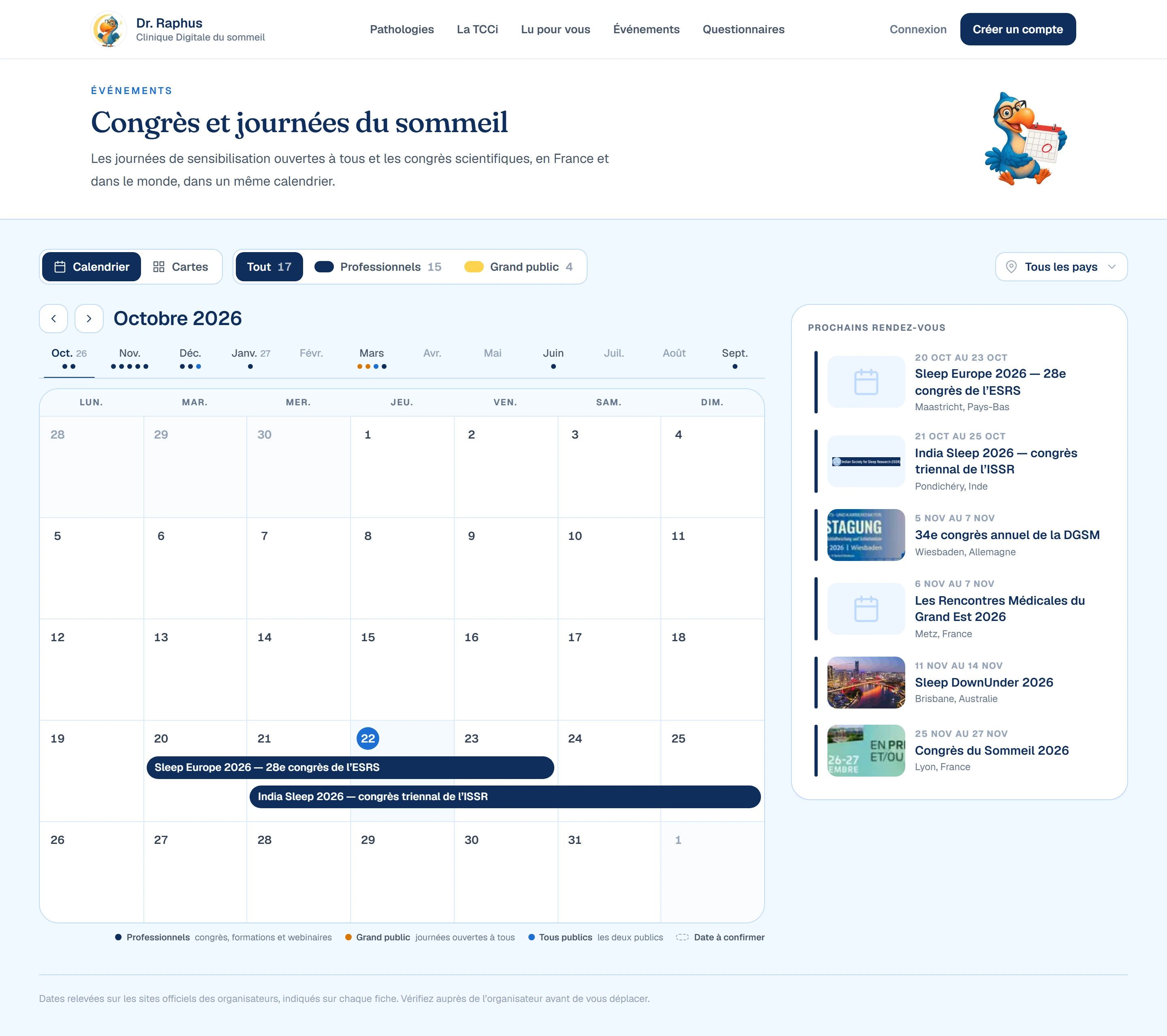
An AI agent, designed and scheduled to run every month, reads sleep conference organisers’ websites and proposes changes to the calendar; nothing is published without approval. Its first proposal, on 5 October 2026, was approved by Antoine.
5 October 2026 · 4 changes proposed · approved on 5 October
Read the case study Also: Atelier
Contact me
Write to me in a few lines: what you want to build, for whom, and what bothers you today.
- Subject
- Project request
- Your project
- Your organisation
- By when?